Whether you're a helper learning knots and hitches or a lead who runs the crew, there are rigger jobs that fit where you are. WORKERS.COM lists rigger openings across the U.S., and applying is free.
Riggers move what's too heavy, awkward or valuable to just pick up. You inspect slings and shackles, hang chain falls and come-alongs, set beam clamps and plan how a load will travel safely. Riggers work alongside millwrights, ironworkers, pipefitters and crane operators.
Employers include industrial contractors, plants, shipyards, fabrication shops and construction companies. Plant shutdowns and turnarounds bring in a lot of rigger work.
Rigging experience is hard to show on paper, and plenty of listings lump riggers in with general labor. A good application spells out the gear you've used and the loads you've moved.
WORKERS.COM has staffed skilled trades and industrial work since 1989. Apply once, complete screening, and you can be considered for temp, temp-to-hire and direct-hire rigger roles.
Why apply here:
In business since 1989 - WORKERS.COM has over 35 years behind it in skilled trades and industrial staffing.
Rigger work in many states - Employers across the U.S. list rigger openings with us.
Free to apply and work - There's no cost to you, ever. The companies that hire pay WORKERS.COM.
Short jobs or long ones - Pick up a temp shutdown, try a temp-to-hire role, or go after a direct-hire position.
Call any time - Our line at 800.867.2040 is answered by a real person 24/7.
Getting placed includes screening: identity checks, a skills assessment, background screening and reference checks.
Types of Rigger Jobs
Rigger work changes a lot from one setting to the next. Here are the most common kinds of roles.
Industrial Plant Riggers
Move pumps, motors and process equipment inside operating plants, often during shutdowns with tight schedules and tight spaces.
Precision Riggers
Handle sensitive equipment like CNC machines, lab instruments or aerospace parts, where careful positioning matters more than speed.
Structural Riggers
Rig steel members and heavy assemblies on bridges, buildings and industrial structures, often working at height.
Shipyard Riggers
Rig ship sections, engines and outfitting materials in shipyards and dry docks, working with overhead and gantry cranes.
Field Riggers
Travel to job sites for equipment installs and outage work, setting up your own gear outdoors and in all kinds of weather.
Shop Riggers
Move material and finished pieces around fabrication and machine shops with overhead cranes, forklifts and hoists.
Most riggers start as helpers, learn on the job and work up to journeyman and lead rigger. Certifications speed that climb.
Rigger Certifications, Skills and Pay
Common credentials include NCCCO Rigger Level I or II, a signalperson certification, OSHA 10 or 30, and forklift or aerial lift cards. Some employers also ask for NCCER rigging training.
Employers look for riggers who inspect their gear every time, know their hitches and sling angles, and speak up when a lift doesn't look right. Pay depends on the job, your certifications, union or non-union status and the location.
A rigger who can also run a forklift or signal a crane is easy to put to work.
Learn from riggers and other tradespeople in the WORKERS.COM Community. It's free, with safety updates, industry news and career advice.
What you'll find inside:
A network of tradespeople and employers
Connect with skilled workers across a wide range of trades and industries who understand your work and can share practical insights and opportunities.
Job and collaboration opportunities
Discover new roles, projects and connections across different sectors.
Helpful resources and industry news
Stay informed with relevant industry news, tools, safety updates, training information, and insights that support your work and career progression.
A supportive space for career development
Get advice from experienced professionals, share knowledge, and learn from others who have built successful careers in their fields.
Whether you're actively looking for work or planning your next move, the WORKERS.COM Community helps you stay connected, informed, and ready for what's next.
Applying takes a few minutes. Here's what follows.
1
Browse rigger openings
Search Jobs lets you see rigger roles by location.
2
Submit your resume
List the loads you've moved, the gear you've used and your certification cards.
3
Do your screening
Identity, skills, background and references are checked.
4
Get placed
Rigger roles may be temp, temp-to-hire or direct hire.
5
Get to work
Show up with your PPE, and call our 24/7 line if you need anything.
Questions before you apply? Call 800.867.2040. We answer day and night.
Success Stories
What Workers Say About WORKERS.COM
'I have used workers.com many times and have gotten wonderful job assignments with good pay. The Office is very responsive and checks in with you when appropriate! I would highly recommend Workers.com!.'
Christina Silagi
'The folks at Workers.Com are friendly, welcoming and very helpful. You can tell they truly care about getting a job that is the best fit for the company and the employee. They have been a huge help in finding the best opportunity for me.'
Elizabeth Wardrip
From the WORKERS.COM Blog
Articles for riggers and other skilled workers: job search tips, training news and career advice.
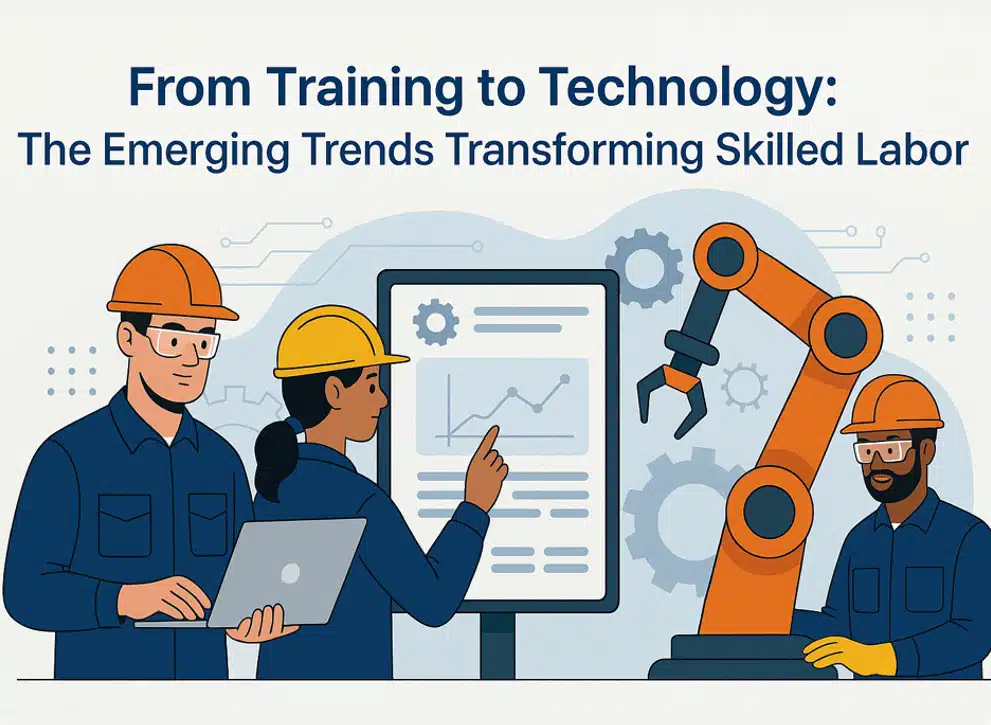
From Training To Technology : The Emerging Trends Transforming Skilled Labor
The trades are changing with new training and new tools. Read what that shift means for riggers and other skilled workers.
Industrial Job Placement: Your Complete Guide to Landing Blue-Collar Work
A step-by-step guide to industrial job placement: how staffing agencies match blue-collar workers with jobs, and how to land the right one.
Frequently Asked Questions
Helper roles often take workers with general construction or plant experience. Journeyman and lead rigger jobs usually require years of rigging experience and certifications.
It depends on the employer's schedule, and shutdown work follows the plant's timetable. Applying and finishing screening ahead of time helps you be ready.
Yes. Openings include helper roles, journeyman rigger jobs and lead rigger or rigging foreman positions.
No. You don't pay to apply or to work through WORKERS.COM. Employers cover the fee.
Yes. Temp-to-hire roles can become permanent jobs. Experienced riggers often move up to rigging foreman, lift planner or crane operator.
Start Your Next Rigger Job
Apply today and tell us what you've rigged. Need to ask something first? Ring 800.867.2040, 24/7.










 Employee Portal
 800.867.2040



