Field Machinist Jobs: On-Site Machining at Plants and Job Sites
If you'd rather bring the machine to the part, field machinist jobs put you on site with portable equipment at plants, refineries and outages. WORKERS.COM places field machinists in temp, temp-to-hire and direct-hire roles, and it's free to apply.
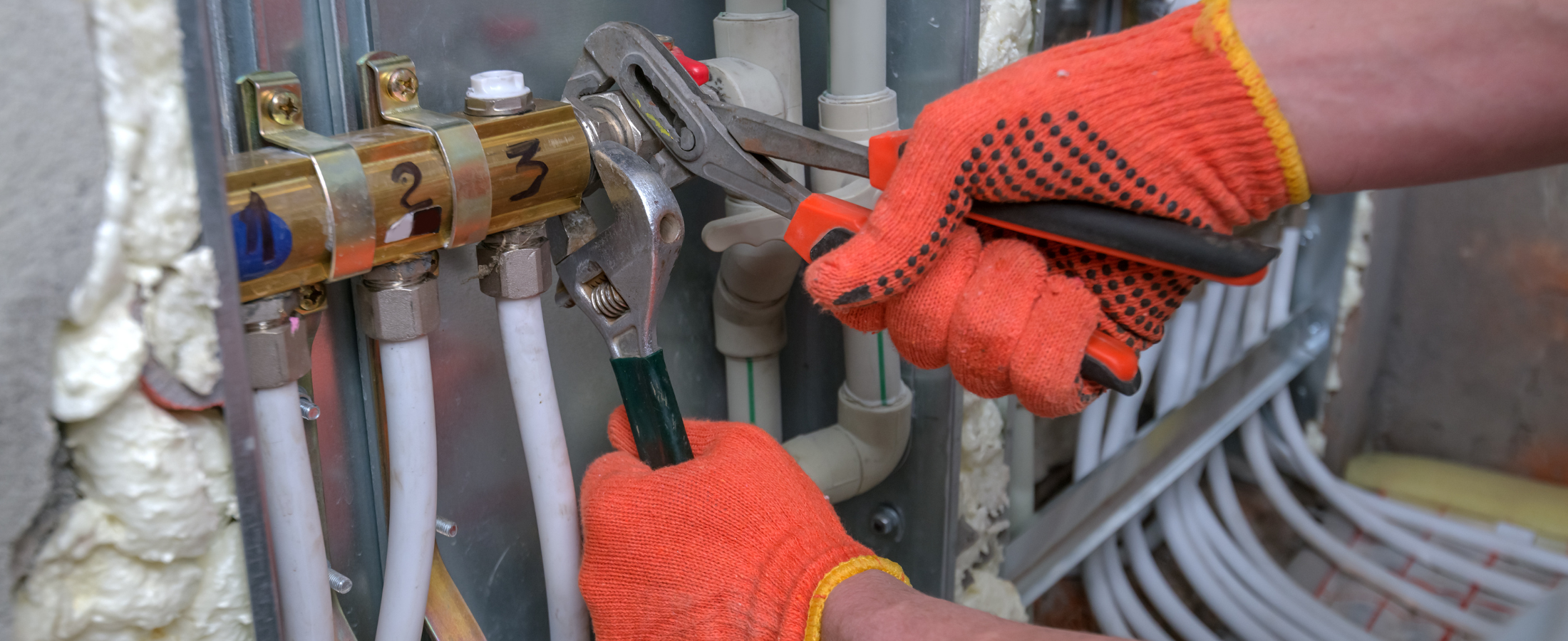
Field machinists fix and finish equipment where it sits: boring a worn pin hole on an excavator, facing a flange on a pipeline, milling a turbine split line during an outage. The work moves around, and so do you.
We place field machinists with industrial service companies, energy facilities and heavy industry in multiple states.
Field work is often tied to shutdowns and projects, so the next job can be in another town. WORKERS.COM gives you one place to apply and one number to call between assignments.
Before placement, you complete screening: identity check, skills assessment, background screening and reference checks. Have your safety cards and certifications ready.
What you get:
Free for you - You don't pay to apply or work through WORKERS.COM. Employers do.
Project or permanent work - Take temp assignments for outages and projects, temp-to-hire roles or direct-hire jobs.
Someone answers at 2 a.m. - Field work doesn't keep office hours. Call 800.867.2040 and a real person answers 24/7.
Work in multiple states - We place field machinists at sites across the U.S.
Payroll and comp handled - On temp assignments, WORKERS.COM runs payroll and covers workers' comp.
WORKERS.COM has been in skilled-trades staffing for more than 35 years. Field machining asks for more than skill: you set up on uneven ground, in tight spaces and in all weather, and you work safe every time.
Types of Field Machinist Jobs Available
On-site machining covers a range of jobs. These are the ones you'll see most.
Line Boring Jobs
Bore and weld-repair worn pin bores on excavators, loaders, cranes and other large machines with portable line-boring rigs.
Flange Facing Jobs
Resurface flanges and sealing faces on pipelines, valves and pressure vessels so they seal right. Common at refineries, chemical plants and power stations.
In-Place Milling Jobs
Mill split lines, machine bases and pump pads flat without removing the equipment. Precise setup and alignment matter.
Outage and Shutdown Jobs
Join crews during planned outages at power plants, refineries and mills, where machining work runs on tight schedules and long shifts.
Pipe Cutting and Beveling Jobs
Cut and bevel pipe in place with clamshell lathes and split-frame tools to get it ready for welding.
Keyway Cutting, Drilling and Tapping
Cut keyways, remove broken studs, drill and tap, and handle other on-site repairs on shafts and large equipment.
Newer field techs usually start as helpers, setting up and running equipment under a lead. Experienced field machinists may run jobs alone and work directly with the site's maintenance staff.
Skills and Safety Credentials for Field Work
Pay depends on the role, your experience, the shift and the location, and travel jobs vary widely. Employers look for machinists who can set up portable equipment, read prints, take precise measurements and work out a repair when the part doesn't match the drawing.
Safety training carries weight on industrial sites. An OSHA 10 or OSHA 30 card, confined-space and fall-protection training, and a TWIC card for port and maritime sites can all help. A valid driver's license is often required.
On your resume, list the portable machines you've run, such as line borers, flange facers and portable mills, and the types of sites you've worked.
The free WORKERS.COM Community keeps you connected to other tradespeople, industry news and safety updates, even when you're moving from site to site.
What you'll find inside:
A network of tradespeople and employers
Connect with skilled workers across a wide range of trades and industries who understand your work and can share practical insights and opportunities.
Job and collaboration opportunities
Discover new roles, projects and connections across different trades and industries.
Helpful resources and industry news
Stay informed with relevant industry news, tools, safety updates, training information, and insights that support your work and career progression.
A supportive space for career development
Get advice from experienced professionals, share knowledge, and learn from others who have built successful careers in their fields.
Whether you're actively looking for work or planning your next move, the WORKERS.COM Community helps you stay connected, informed, and ready for what's next.
Here's how to go from applicant to on site with WORKERS.COM.
1
Check open assignments
Search the job board for field machining, outage and on-site repair work.
2
Submit your resume
Include the portable equipment you've run, your safety cards and whether you can travel.
3
Complete screening
Screening covers identity, skills, background and references.
4
Get placed
Once cleared, you can be placed on a temp assignment, a temp-to-hire role or a direct-hire job.
5
Head to the site
Report to the job site ready to work. Questions on the road? Call 800.867.2040, 24/7.
Questions about travel, a posting or your application? Call 800.867.2040 any time and a real person will help.
Success Stories
What Workers Say About WORKERS.COM
'I have used workers.com many times and have gotten wonderful job assignments with good pay. The Office is very responsive and checks in with you when appropriate! I would highly recommend Workers.com!.'
Christina Silagi
'The folks at Workers.Com are friendly, welcoming and very helpful. You can tell they truly care about getting a job that is the best fit for the company and the employee. They have been a huge help in finding the best opportunity for me.'
Elizabeth Wardrip
From the WORKERS.COM Blog
Our blog covers career paths, safety, training and job search tips for field techs, machinists and other skilled workers.
Careers in CNC Machining and Programming
What CNC machinists and programmers do, the skills you need, and where the career can take you.
Industrial Job Placement: Your Complete Guide to Landing Blue-Collar Work
A step-by-step guide to industrial job placement: how staffing agencies match blue-collar workers with jobs, and how to land the right one.
Frequently Asked Questions
Most field machinist jobs want shop machining experience first, plus comfort with portable tools and industrial safety rules. Helpers with mechanical or machining training can start on crews, while lead roles call for years of on-site work.
That depends on current projects and outages and on how fast you finish screening. Have your resume and safety cards ready, and call 800.867.2040 any time.
Often, yes. Some roles stay within one region or plant, while outage and project work can mean travel and long shifts. The posting will say what's expected.
No. Applying and working through WORKERS.COM is free for you. Employers pay for our services.
Yes. Field machinists build a mix of machining, mechanical and rigging skills. Temp-to-hire roles can lead to permanent jobs, and experienced techs can move into lead, supervisor or project roles.
Take Your Skills to the Field
Search open field machinist jobs or submit your resume today. Call WORKERS.COM at 800.867.2040 any time with questions.









 Employee Portal
 800.867.2040



